Test Flight, Not Full Bottle: A Fair Way to Try CBD in Small Packs
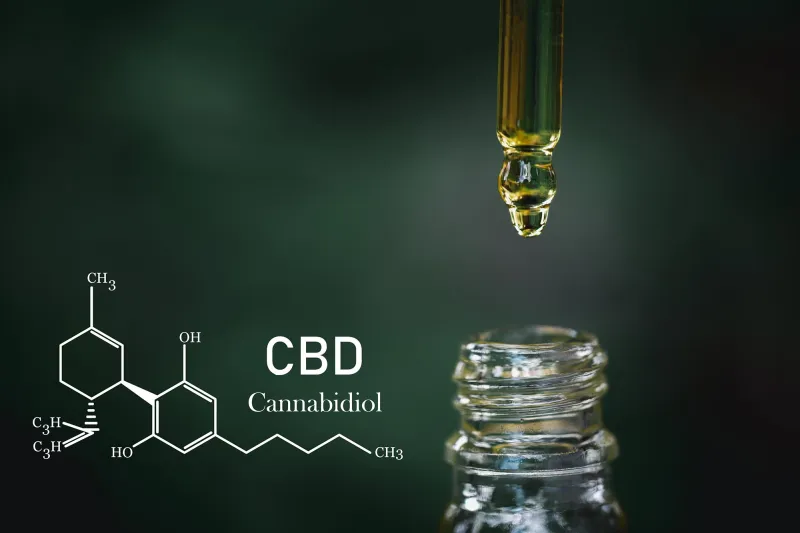
Photo: CBD oil sample sachets and small trial bottles on a UK kitchen table with a notebook, soft daylight, editorial lifestyle photo, via scitechdaily.com
Buying your first CBD oil can feel a bit like signing up for a gym membership in January: hopeful, slightly expensive, and hard to undo once the bottle is open. Small formats are the antidote to that feeling. A sachet, a 5ml trial bottle or a tiny gummy pack lets you have a proper look at the product before you clear a shelf for it.
But small does not automatically mean sensible. A £3 sachet with £5 postage is not a bargain, and a pretty trial box can cost more per millilitre than the full-size bottle you were trying to avoid. The trick is to treat small packs as a test flight, not a shortcut to a stock cupboard.
What a small format is actually for
A sample sachet is not really there to tell you whether CBD will change your life. It is there to answer smaller, more useful questions. Does the oil taste like something you can tolerate at 7am? Is the carrier oil light or syrupy? Does the dropper fit your routine, or will it live in a drawer next to the spare batteries?
Most UK sachets hold somewhere around 1ml to 5ml, while trial bottles often sit at 10ml. That is usually enough for a few goes, not a month-long experiment. So judge it on fit and flavour first. If you are hoping for a full verdict on effects from a single sachet, you will probably end up over-reading a very small experience.
Read the pack like a label, not a promise
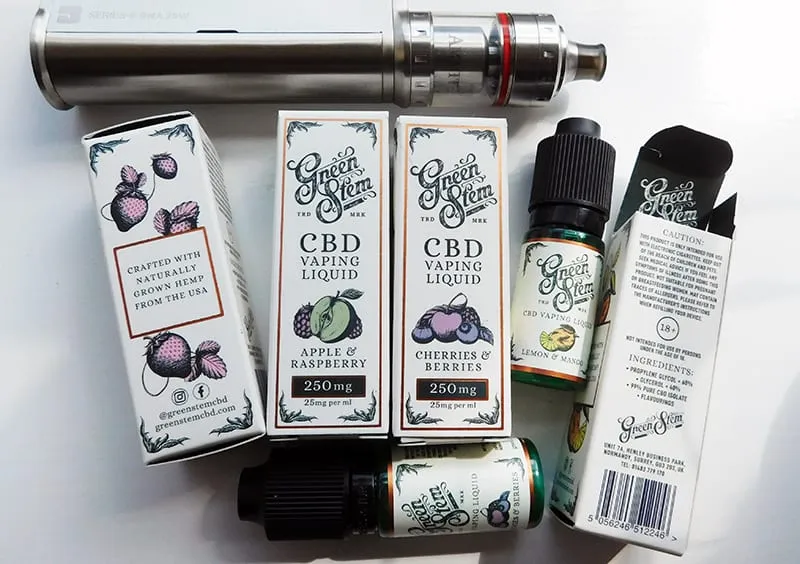
The most useful number on a small CBD pack is not the headline milligram figure. It is the strength per millilitre, plus the total amount in the pack. A 500mg bottle sounds stronger than a 250mg bottle until you notice one is 10ml and the other is 30ml. Small formats make this maths especially easy to fudge, so slow down.
Check the carrier oil too. MCT oil is common and usually thinner; hemp seed oil can taste more earthy and robust. Neither is automatically better, but one may suit your morning coffee while the other feels better under the tongue. If you already know you dislike a strong hemp taste, a sachet is a cheap way to confirm that before you buy 30ml of the stuff.
Look for a batch number and a lab report link or QR code. A trial pack is still a CBD product, and the same certificate-checking habits apply. If the brand cannot tell you what is in the sachet, the fact that it was cheap is not much of a consolation.
The fair comparison method
Trying three sachets in one afternoon is not a comparison. It is a scramble. Keep it boring instead. Pick one small format, use it at the same time of day you would use a full bottle, and note the basics in your phone: strength, carrier oil, how many drops or millilitres you used, taste, and whether the routine felt easy or annoying.
Give each product a fair window. A couple of days is usually more honest than a single rushed try. Do not stack a new sachet on top of a new gummy and a new balm, or you will have no idea which one you liked. This is not a clinical trial; it is just a calm way to avoid blaming the wrong bottle.
A simple scoring system works well: taste, texture, dropper or packet practicality, and value per use. You do not need a spreadsheet. A notes app with four lines is enough to stop you buying a full bottle on the strength of a nice box alone.
The postage maths nobody wants to do
This is where small formats can go wobbly. A £2.95 sachet plus £4.50 delivery is a £7.45 experiment. If you add a second sachet to make the order feel worthwhile, you have spent £12 before you know whether you like the brand. That is not low risk; that is a small gamble with extra cardboard.
Before you check out, compare the delivered price, not the shelf price. Check whether the pack fits through a letterbox, whether free delivery kicks in at a sensible threshold, and whether you are buying packaging you will have to recycle. If you already need a balm or a gummy, adding a trial sachet to that order can make sense. Buying one sachet on its own rarely does.
Also compare price per millilitre. Trial sizes are often more expensive per ml than full bottles, and that is fine if you are paying for information. It is less fine if you are quietly building a tiny, costly collection of bottles you never finish.
A quick checklist before you add to basket
- Does the pack state strength per ml and total CBD?
- Is the carrier oil named?
- Is there a batch number and a lab report?
- Does the delivered price still feel small?
- Will you actually use it within the next week?
- Are you testing taste and routine fit, rather than expecting a dramatic result?
When to skip the sachet
If you already know the brand, the carrier oil and the flavour, a trial pack is just extra postage. If you need consistent daily measuring, a full bottle with a proper dropper is usually easier. And if the only small format on offer is a fancy gift set with a booklet and a bag, you are probably paying for the bag.
Small packs are at their best when they are slightly unglamorous: a plain sachet, a clear label, a fair price and enough oil for two or three honest tries. Use them to date the product, not to marry it. If the taste is tolerable and the routine fits, then a full bottle has earned its place on your shelf. If not, you have saved yourself 30ml of regret.