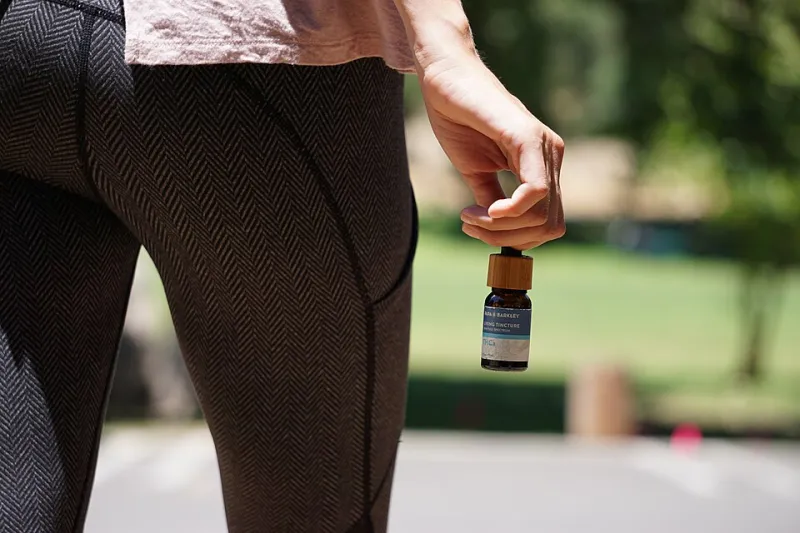
The Cloudy Bottle Club: A Calm Guide to CBD Oil Separation

Photo by Photo by MChe Lee on Unsplash on Unsplash
There is a particular kind of quiet panic that comes from unscrewing a bottle of CBD oil and finding it looking… not quite how you left it. Maybe there's a haze. Maybe there's a little ring of something at the bottom. Maybe the whole thing has gone thick and sluggish because the flat has been cold all week. It is very easy to jump straight to has this gone off? when the more likely answer is give it a shake.
This is not a defence of every dodgy bottle on the market. It is, though, a sensible look at what natural CBD oil separation is, why it happens more in November than July, and how to tell the difference between a normal cloudy bottle and one that deserves a proper look at the batch details.
Why your CBD oil isn't always crystal clear
CBD oil is usually a mix of cannabinoids, a carrier oil and whatever else the maker has put in — often a flavouring or a bit of vitamin E. The carrier is frequently MCT oil, hemp seed oil or olive oil. None of those are permanently glossy liquids. They respond to temperature, light and time, just like the olive oil in your kitchen cupboard that goes cloudy in the fridge and clears up on the counter.
When a bottle cools down, some of the plant compounds and waxes can settle out of the mixture. When it warms back up, they don't always rush to dissolve again straight away. You get a soft haze, a few specks, or a slightly thicker layer near the bottom. That is separation, not necessarily spoilage.
It is also worth remembering that full-spectrum and broad-spectrum oils are closer to a whole-plant extract than a clear, filtered tincture. They can carry tiny amounts of natural plant material. A bit of sediment in a fuller-spectrum oil is a bit like finding a little pulp in fresh orange juice. Not glamorous, not automatically a problem.
The winter thickening problem
UK homes are not famous for stable temperatures. One room is roasting because the radiator is on, the next is cold enough to make you rethink your life choices, and the kitchen windowsill does its own thing entirely. CBD oil hates that sort of indecision.
If your bottle has gone thick, cloudy or slow to drop out of the pipette, cold is the first suspect. MCT oil and hemp seed oil both get thicker at lower temperatures. A bottle that lived in a hallway by the front door during a cold snap may simply need an hour at room temperature and a gentle roll between your palms.
Do not microwave it. Do not leave it on a radiator. Do not dunk it in boiling water because you saw someone do it on social media. A gentle warm-up is plenty. If the oil looks normal again after that, you have probably just met the weather.
Sediment, specks and the difference between 'natural' and 'nope'
Natural separation tends to look soft: a haze, a faint cloud, a thin layer that disperses when you shake. It should not look like a science experiment.
A closer look at the label or the batch is fair if you spot any of the following:
- Fuzz, fur or a colour that belongs in a petri dish. That is not sediment.
- A sharp, rancid or paint-like smell. Carrier oils can go off, especially if the bottle has been near heat or light for months.
- A change in texture that doesn't shift after warming and shaking. If it stays lumpy or grainy, ask the brand.
- A label with no batch number, no CBD strength and no clear carrier oil. That is less about the sediment and more about the shop.
- A bottle that has been open for a very long time. Most oils have a shelf life of around 12 to 18 months unopened, and a shorter window once opened. If it has been lurking since last winter, check the date before you check the sediment.
A good UK brand should be able to answer a simple question about batch numbers and storage without acting like you've asked for the keys to the factory. If they can't, the cloudy bottle is the least of your worries.
Shake well, but gently
Lots of CBD oils say 'shake well' on the label, and they mean it. A gentle swirl or a few slow inversions is usually enough to bring the mixture back together. You are not making a cocktail. You are not trying to aerate it. You are just encouraging the oil to behave.
If you use a dropper, give the bottle a roll before you measure, then let it settle for a moment. That way you are not fighting a cloudy blob at the bottom of the pipette. If you are measuring by drops, keep the bottle upright and steady rather than tipping it like you're pouring a pint.
One practical note: don't shake a bottle so hard that it foams up and then immediately dose. You will spend the next ten minutes trying to work out whether you've taken 0.3ml or a small cloud.
Where to keep the bottle (and where not to)
A cool, dark cupboard is the easy answer. Not the bathroom shelf, where steam and temperature swings do their worst. Not the windowsill, where the sun can bleach the label and gently cook the oil. Not the glovebox, unless you enjoy a CBD oil that has been through a car wash.
If you decant into a smaller bottle for travel, label it. A mystery amber bottle in a rucksack is not the calm routine you are after. And if you are packing for a winter weekend, remember that a cold train carriage or a chilly Airbnb can make the oil thick. That is normal. Let it warm up before you decide it is ruined.
The bottom line
A cloudy CBD oil is not automatically a bad CBD oil. Natural separation, winter thickening and a bit of sediment are part of the territory with plant-based oils. Shake gently, store sensibly, and keep an eye on the batch details.
If something smells wrong, looks furry, or the brand goes quiet when you ask a basic question, trust your nose and your instincts. But if it is just a hazy bottle that has been sitting in a cold kitchen, put the kettle on, give it a roll, and don't write it off before you've given it a fair shake.