The Five-Minute Certificate Check: Reading a CBD Lab Report in the UK
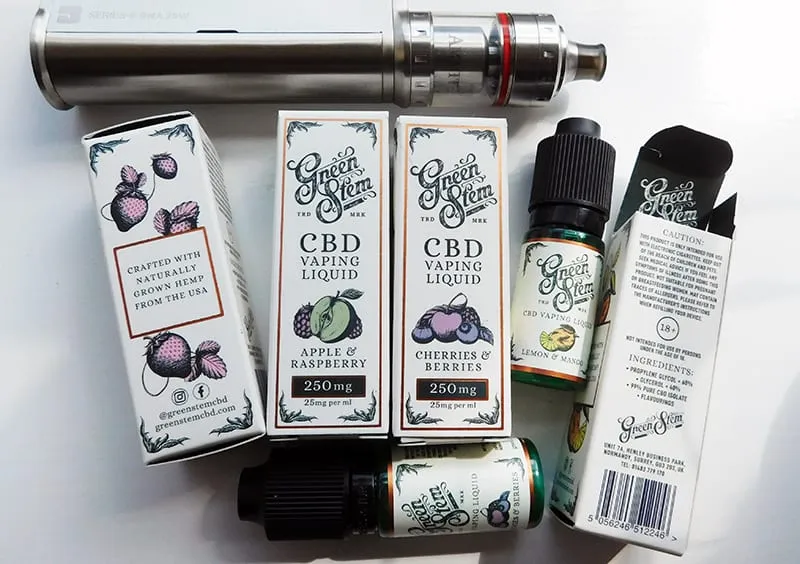
Photo: Ecig Click, CC BY-SA 2.0, via Wikimedia Commons
CBD shopping has a funny way of making a shiny bottle feel like proof. It isn’t. In 2026, plenty of decent UK brands will point you towards a certificate of analysis — usually shortened to COA — and that little document is often more useful than the label copy. The trick is knowing which bits to read, which bits to skim, and when a missing report is worth a polite follow-up email rather than a dramatic exit.
This is the review-led version: what to check in five minutes, what a certificate can and cannot tell you, and why a tidy lab report often feels more reassuring than a very fancy bottle.
Find the batch code before you fall for the label
The batch code is the key to the whole thing. It links the bottle in your hand to a specific test report. Without it, you are usually looking at a generic certificate that may have been produced months ago for a different run.
On UK CBD products, batch codes turn up in annoyingly creative places: the base of the bottle, the side of the carton, inside the box flap, under the cap, or next to the best-before date. Some are printed in tiny dot-matrix type; others are stuck on a label that peels off in the winter cold. Write it down before you start hunting online.
If you are buying in a shop, ask the person behind the counter to show you the batch code and the matching report. If you are buying online, look for a “lab reports” or “certificates” page and check that the batch on the report matches the batch on your product. A QR code on the bottle is handy, but it should take you to the right batch — not just a brand homepage with a smiling leaf.
What a lab report is — and isn’t
A COA is a snapshot of one batch, tested by a laboratory. It is not a brand-wide gold star, and it is not a guarantee that you will personally get on with the oil. It tells you what was tested in that specific pot, within the limits of the methods used.
A useful report should show the product name, the batch number, the date of testing, the laboratory’s name, and the methods used. It should not be a mysterious PDF with a logo and three numbers. You do not need to understand every chromatography peak to get value from it. You just need to see whether the basics line up.
Cannabinoid totals: read the numbers, not the poetry
Look for the cannabinoid section. You want to see CBD, and often CBDa, plus a total cannabinoid figure. Compare that with what the label claims. A 10ml bottle labelled as 1,000mg CBD should work out at roughly 100mg per ml, so a report showing 850mg total is worth a question — not necessarily a scandal, but a gap you should understand.
Some variation is normal in plant-based products. What you are looking for is honesty and consistency: does the report broadly support the label, or does it tell a different story? “Full spectrum” and “premium extract” are marketing phrases. The cannabinoid totals are the bit with actual information in them.
THC: the bit UK buyers should actually look at
UK consumer CBD products are expected to stay within tight THC limits, and a decent report should state total THC clearly. Be wary of a certificate that only gives a percentage with no context. A tiny percentage in a large bottle can still add up, so the per-container figure matters.
You do not need to panic over a trace result, and you do not need a chemistry degree to ask a sensible question. If the report is vague about THC, email the brand and ask for the total THC per container for that batch. A brand that answers clearly is already ahead of one that sends a stock reply about “industry-leading quality”.
The contaminant panel: boring, and that is the point
This is the section first-time buyers skip, and it is often the most reassuring part. A full COA should include tests for heavy metals such as lead, cadmium, arsenic and mercury; pesticides; residual solvents; and microbiology, including yeast, mould and the unpleasant bacteria nobody wants in an oil.
You are looking for “pass”, “not detected” or similarly clear language. If the certificate only covers cannabinoids, it is a cannabinoid report — not a full contaminant panel. That does not automatically make the product bad, but it means the paperwork is doing less work than the label implies.
The five-minute check
Here is the short version you can do with a cup of tea nearby:
- Does the batch code on the report match the batch code on your product?
- Does the product name and size match what you bought?
- Are the cannabinoid totals broadly in line with the label?
- Is total THC stated clearly per container?
- Is there a contaminant panel, and does it show clear passes?
- Is the test date recent enough to feel relevant, and can you identify the laboratory?
That is it. You are not auditing the lab. You are checking whether the brand has made it easy for you to see the evidence.
When there is no report
A missing report is not proof of a bad product. Smaller UK brands sometimes send certificates by email, and a shop may keep them behind the counter. Ask for the batch-specific COA. If you are sent a generic certificate that does not match your batch, ask again, politely but specifically.
If nobody can produce one, factor that into the value. A fancy bottle with no paperwork is a gamble; a plain bottle with a tidy, matching certificate is much easier to trust. At The CBD Joint, we would rather see a boring document that lines up than a beautiful label with nothing behind it.
The quiet verdict
A lab report will not tell you whether a CBD oil suits your routine, your taste or your budget. It will tell you whether the brand has done the basic homework and whether the bottle in your hand is the one that was tested. In 2026, that five-minute check is part of buying well. Keep the batch code in your notes, pull the report, and let the certificate do the quiet work the bottle cannot.