Stirred, Not Shaken: A Taste-First CBD Brew Test for UK Cuppas

Photo: Philip Halling , CC BY-SA 2.0, via Wikimedia Commons
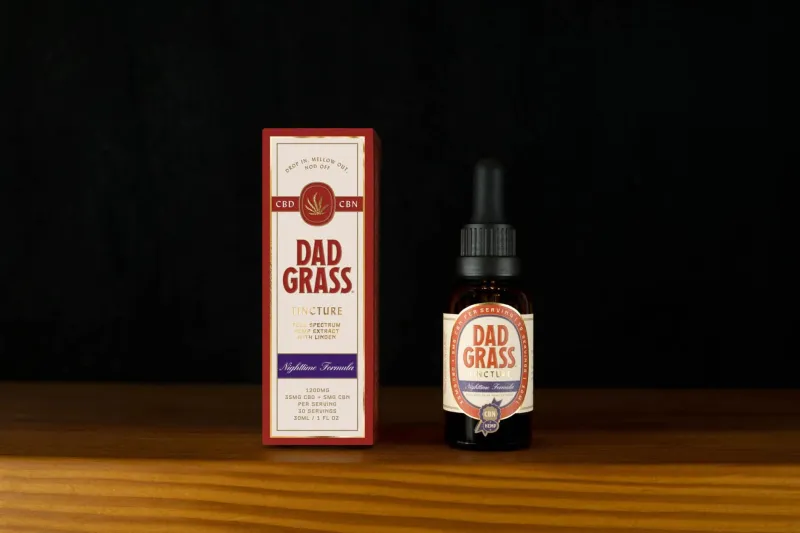
There is a certain appeal to the idea of a CBD cuppa. It sounds calm, British and sensible: kettle on, dropper out, a quiet moment before the day starts. Then you actually try it, and you notice the oil sitting on top of the tea like a small, earnest slick. CBD oil in a hot drink is not a disaster, but it is also not as seamless as the wellness shelves would have you believe.
So we took the taste-first approach. No lab coats, no grand claims, just three everyday brews and a bottle of plain CBD oil. The aim was simple: find out which drinks handle the earthy, hempy flavour well, which ones turn it into a chore, and how to fold CBD into an existing cuppa routine without turning breakfast into a ceremony.
The short answer: yes, but treat it as a drink, not a magic trick
CBD oil can go into tea, coffee and herbal infusions. The bigger question is whether you actually enjoy the result. Most oils have a distinct taste — somewhere between hemp, green leaves and a slightly toasted seed — and a texture that does not fully mix with water. That means flavour and mouthfeel matter more than the theory.
If you already take CBD oil under the tongue, adding it to a brew changes the experience. You will taste it more, and you may lose some control over how much ends up in you rather than on the mug. If you are CBD-curious but dislike the idea of a dropper straight into your mouth, a hot drink can be a softer entry point. Just keep expectations realistic.
The builder’s tea test
A strong builder’s tea is the obvious starting point. It is the UK default, and its tannin-heavy flavour has a decent chance of masking a hempy oil. In practice, it mostly works. The first few sips taste like tea with a faint green edge. The oil does not vanish, but it does not shout either.
The texture is where it gets noticeable. Even after a good stir, a little oil tends to gather around the rim and leave a slightly slick feel on the lips. If you add the oil after the milk, it can float for longer. If you add it before the milk and stir properly, the milk helps a bit, though it is not an emulsifier and will not work miracles.
The best version was a mug of fairly strong tea, allowed to cool for a minute or two, with the oil stirred in before the milk. It tasted like a normal brew with a herbal footnote. The worst version was a very hot, very weak tea, where the oil had nothing to hide behind and the whole thing felt oddly thin and oily at the same time.
Herbal infusion: the polite host
Herbal teas were the surprise. A peppermint infusion did a very good job of covering the oil’s earthier notes, and the texture was less obvious because the drink already had a clean, watery feel. Chamomile was softer and more forgiving, though the oil’s flavour sat a little closer to the surface. A green tea was the most delicate and the least successful: the oil quickly overwhelmed the grassy, subtle notes and left a film that made the tea feel heavier than it should.
If you are new to CBD and want the least confrontational hot-drink route, a mint or chamomile infusion is a reasonable place to start. Avoid the most delicate white or green teas unless you are using a very mild oil and do not mind losing some of the tea’s character. Herbal brews are also easy to drink slowly, which suits the low-ceremony approach better than a rushed mug before a meeting.
Morning coffee: bold but fussy
Coffee is the tricky one. A strong black coffee has enough flavour to stand up to CBD, but the oil and the coffee’s acidity can create a slightly sharp, muddy edge. With milk and a decent stir, it improves. A flat white or a latte-style drink at home handled the oil better than black coffee because the milk softened both the texture and the taste.
The annoyance is the look of it. CBD oil in coffee can leave small beads or a rainbow-ish sheen on the surface, especially if the coffee is very hot. It does not mean anything has gone wrong, but it is not the most appetising sight first thing. Stirring with a small spoon and letting the coffee cool slightly helps.
Coffee also encourages speed. People drink it quickly, and the whole point of a CBD routine is usually to slow down a little. If you are going to add oil to coffee, treat it as a drink to sit with rather than something to knock back on the way out of the door.
The practical annoyances nobody mentions
First, oil clings. It coats the sides of the mug and the spoon, which means a small amount may not make it into you. That is not a reason to panic, but it is a reason not to chase a perfect dose in a brew.
Second, heat and flavour are not best friends. Very hot drinks make the oil’s aroma more noticeable. Letting the brew cool for a minute or two is a small change that makes the experience more pleasant.
Third, measuring in a mug is less precise than measuring under the tongue. Use the dropper, keep to the label’s guidance and do not top up because the first sip tasted odd. If you want repeatability, use the same mug and the same brew most days.
Fourth, not every oil suits every drink. A mild, lightly flavoured oil will sit better in tea than a strong, full-spectrum one with a pronounced hemp taste. That is not a quality issue; it is a match issue.
A low-ceremony way to fold it in
Pick one drink you already have at roughly the same time each day. For most people that is the first tea or coffee of the morning. Brew it as normal, let it cool for a minute, add your measured CBD oil, stir properly and then add milk if you take it. Drink it sitting down, or at least not while answering emails.
Keep the rest of the routine boring. Same mug, same rough timing, same dose. The point is not to build a ritual around the kettle; it is to make the CBD part feel ordinary. If you miss a day, have the tea without it and carry on. If you dislike the taste after a fair try, do not force it. CBD comes in oils, gummies and other formats, and there is no prize for suffering through a brew you resent.
The verdict
CBD oil belongs in a brew only if you like the brew afterwards. Builder’s tea is the most forgiving everyday option, herbal infusions are the gentlest entry point, and coffee works best with milk and a little patience. The oil will never fully disappear, and that is fine. A cuppa does not need to become a ceremony. It just needs to taste like something you would actually finish.