The £30 Reality Check: What Budget CBD Oils Actually Deliver in the UK Right Now
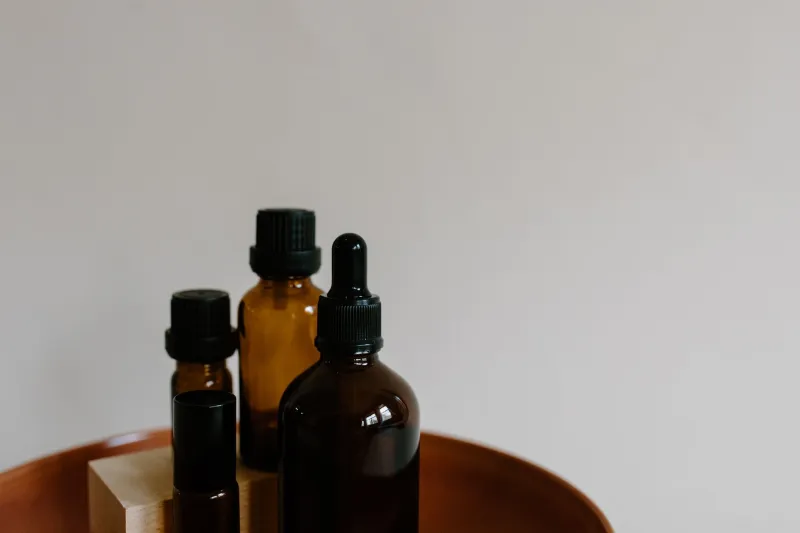
Walk into any UK health shop this month and you'll find a shelf of small amber bottles with prices ranging from 'that's reasonable' to 'is there gold in this?'. The packaging is often the only real difference. So we spent the autumn working through the sub-£30 end of the market — the own-brand bottles, the high-street own-labels, the online ones with the slightly chaotic websites — and asked one boring question of every single one: what are you actually getting per milligram?
This isn't a roundup of named winners. Plenty of budget bottles refuse to publish batch-level lab reports, and we're not going to hand out prizes to companies that won't show their workings. What follows is the framework we used, so you can apply it to whatever's on the shelf in front of you.
The only bit of maths that matters
Ignore the front of the bottle for a second. Find two numbers: total milligrams of CBD, and the price. Then divide.
A 10ml bottle at 5% strength contains roughly 500mg of CBD. At £25, that's 5p per milligram. That's a solid budget benchmark. Here's how we'd call it:
- 4–7p per mg — genuinely good value, and increasingly common in 2026
- 8–11p per mg — fair, especially if the lab reports are thorough
- 12p+ per mg — you're paying for branding, a nice box, or a celebrity's name
The trap is the word 'extract'. A bottle can legally shout about 1,000mg of hemp extract while containing a fraction of that as actual CBD. Look for the letters C-B-D on their own, and check whether the stated figure is CBD alone or a combined cannabinoid total that includes CBDA and CBG. Neither is dishonest, but only one of them tells you what you're dosing.
The 30-second label test
Five things, in this order. If a bottle fails two or more, put it back.
- CBD in mg, per bottle and per drop. Not 'per serving', not 'per 0.5ml squeeze'. Drops. You need to know what one drop is worth or you can't dose sensibly.
- A printed batch number. On the bottle, not just the outer carton you'll bin on day one.
- A lab report that matches that batch, ideally reachable by QR code and dated within the last twelve months.
- The carrier oil named on the label. If it just says 'hemp oil', that's a hint the CBD may be sitting in hemp seed oil, which is lovely nutritionally and a poor carrier for absorption.
- Clear UK contact details and a returns policy. Boring, but the chaotic-website brands are also the ones that go quiet when you email.
Carrier oils: where cheap bottles cut corners
MCT (fractionated coconut) is thin, near-tasteless and absorbs quickly under the tongue — it's the default for a reason. Olive oil is thicker, slower and adds a peppery backnote that some people love and others find grim at 9pm. Hemp seed oil is the one to watch: it's cheap, it looks the part, and it's often used to bulk out a formula without doing much for how the CBD lands.
None of this is dangerous. It's just the difference between a bottle that works predictably and one where you're guessing.
Taste notes from the test bench
Budget oils taste like budget oils, broadly. Expect earthy, grassy, sometimes a bitter hit at the back of the throat. That's normal. What isn't normal:
- A sharp chemical or solvent smell — walk away
- A cloying sweetness designed to hide something — usually a sign of heavy flavouring over a thin formula
- A tingle or slight numbness — often an alcohol-based carrier, not a fault, but worth knowing before you try it on a work morning
The best of the cheap ones tasted clean and slightly nutty. The worst tasted like a garden centre.
Droppers, glass and other small irritations
A few petty gripes that separate a bottle you'll finish from one that ends up at the back of a drawer. Printed dropper markings that rub off after a fortnight. Instructions that only appear on the outer box you've already recycled. Pump tops that dispense a mystery amount. Amber glass is genuinely better than clear, and a bottle that fits in a coat pocket beats a beautiful one that doesn't.
Your first-week checklist
Keep it dull. Dull is the point.
- Days 1–3: 5mg, once, early evening. Hold under the tongue for 60–90 seconds before swallowing. Don't chase a feeling.
- Days 4–7: step to 10mg if nothing unpleasant happened. Same time each night.
- Log four things only: dose, time, how you slept, anything odd. A note on your phone is plenty.
- Store it properly. Away from the radiator, away from the windowsill, lid on.
- Don't judge it on one night, and don't double the dose because Tuesday was stressful. Give it a full week at the same level first.
If you're on prescribed medication, pregnant, or breastfeeding, have a word with your GP or pharmacist before starting. CBD interacts with some medicines, and no budget bottle is worth skipping that conversation.
Where a cheap bottle makes sense — and where it doesn't
Under £30 is a perfectly sensible place to start if you're trialling CBD for the first time, or if you want a small daily dose as part of an evening wind-down. It's also fine for anyone who simply doesn't want to spend £60 on something they might not stick with.
Where it stops making sense is high daily doses. If you land on 40mg a night, a cheap 5% bottle becomes expensive fast — at that point a 30ml higher-strength bottle almost always wins on price per milligram, even if the sticker price makes you wince.
And if a brand won't show you a batch report, no discount makes up for it. There are too many UK companies publishing full panels — cannabinoids, pesticides, heavy metals, microbials — for you to settle for a PDF with no date on it.
Buy the maths, not the box. That's the whole guide, really.