Before You Twist the Cap: A Sane Look at CBD Returns in the UK
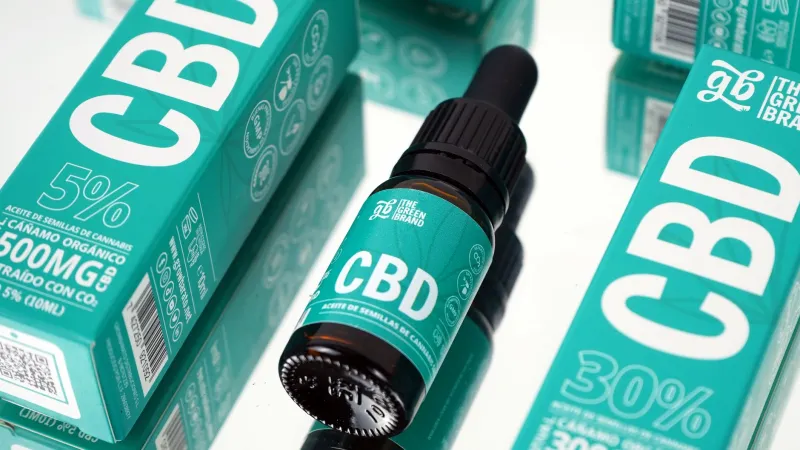
We have all done it. You click ‘buy’ on a CBD oil, gummy or balm with the best intentions, wait for the parcel, open it with a small flicker of optimism, and then… no. The taste is wrong. The texture is odd. The effect is not what you hoped for. The bottle goes into the cupboard, slightly behind the tahini, and you wonder whether you can send it back.
The honest answer is: sometimes, but not always. UK returns for CBD products are less mysterious than they first appear, but they are also less generous than a lot of shoppers assume. This is a practical wander through the rules, the retailer quirks and the pre-checkout questions that can save you from a shelf of regret. It is general editorial, not legal advice — if a dispute gets serious, Citizens Advice or a consumer body is your friend.
The unopened parcel is the easy bit
If you bought online, by phone or by post, you generally have a 14-day cooling-off period under UK distance-selling rules. The clock usually starts the day after delivery. You tell the retailer you want to cancel, then send the goods back within 14 days of that cancellation. In broad terms, you should get a refund within 14 days of the retailer receiving the return or evidence that you sent it.
That is the theory. In practice, a few details matter. First, the item usually needs to be in a resaleable condition, and you may have to cover return postage unless the retailer says otherwise. Second, there are exceptions for sealed goods that have been unsealed for hygiene or health-protection reasons. Whether a particular CBD product falls into that bracket depends on the product and the retailer’s terms — a sealed bottle of oil is one thing, a opened jar of balm is quite another.
So the unopened bottle is often straightforward. The opened one is where the mood changes.
Opened oils, gummies and balms: the reality check
Once you break the seal on a food supplement, cosmetic or hygiene product, most retailers will not accept it back simply because you do not like it. That is not a conspiracy. They cannot resell a half-used bottle of CBD oil, and they cannot guarantee what has happened to it in your kitchen. Many returns pages say this plainly; others bury it. Either way, ‘change of mind’ returns on opened CBD products are usually a no.
Some shops may offer a credit note, a replacement or a partial refund as a goodwill gesture. That is nice when it happens, but it is not a legal entitlement. If the product is faulty, not as described, or unsafe, the picture is different. The Consumer Rights Act 2015 gives you rights when goods are not of satisfactory quality, not fit for purpose or not as described. A leaking cap, a missing batch number, a label that says 10% when the bottle says 5%, or a visibly contaminated product are the sort of issues worth raising promptly.
If you are complaining about a fault, keep the packaging, take photos, note the batch number and contact the retailer quickly. Do not tip the product away before you have a response. And do not lead with a one-star review if you want a practical outcome; a polite email with your order number and a clear description usually gets further.
Gummies, balms and the ‘try me’ problem
Gummies are food. Once the packet is open, a change-of-mind return is unlikely. Balms are cosmetics, and opened jars or tubes often fall into the same hygiene-exclusion bucket. Gift sets are trickier still: if you open one item from a multi-product box, the retailer may treat the whole set as unsealed and non-returnable. Check the terms before you start pulling at the ribbon.
Subscriptions deserve a mention too. If you are on a monthly CBD delivery, cancel before the next dispatch if you want to stop the cycle. Returning a subscription order after it arrives may follow the same rules as any other online purchase, but the timing and the retailer’s goodwill can vary. The best defence is a diary note a few days before the renewal date.
The five-minute pre-checkout audit
You do not need to read the entire terms and conditions with a highlighter. You do need to know a handful of things before you pay:
- Does the returns page mention opened products explicitly, or only sealed ones?
- Who pays return postage, and is there a collection service or just a drop-off?
- What is the process for a faulty item, and how quickly does the retailer want to hear from you?
- Can you find a batch number or lab report, and is there a real human on the contact page?
- If you are buying a bundle or subscription, what happens if you only want to return part of it?
A screenshot of the returns page at the time of purchase is not paranoia; it is sensible. So is keeping the confirmation email. If something goes wrong, you will be glad of the paper trail.
What to do when it is simply not for you
If the product is safe but not to your taste, do not force it. A CBD oil that is too earthy for you might work better in a small amount of food, though you should keep your dose consistent and avoid guessing wildly. A balm that feels too greasy might suit a different part of your routine. If you have an adverse reaction, stop using it and seek appropriate advice.
Then contact the retailer. Not with fury, but with a short, clear note: what you bought, when, what the issue is and what you would like them to do. Some shops will surprise you with a sensible solution. Others will point to their policy. Either way, you will know where you stand.
The most realistic return, in the end, is a better first buy. Start with the smallest size that makes sense. Read the returns page before the product page. Accept that a certain amount of trial and error is normal with CBD, and budget for one experiment rather than a cupboard full of them. A good returns policy is useful; a good buying habit is better.